



Advertisement
Advertisement
Australia’s health-practitioner watchdog is intensifying efforts to address what it describes as inadequate prescribing practices of medicinal cannabis. This action comes amid worries about potential patient harm and companies utilizing "aggressive and sometimes misleading" marketing techniques.
The Australian Health Practitioner Regulation Agency (AHPRA) has issued new guidance for doctors who prescribe medicinal cannabis products, highlighting that recent data has revealed "red flags." Among these concerns are eight practitioners who have issued over 10,000 prescriptions within a six-month period, as well as consultations that last only a few minutes, which raises concerns about whether proper assessments are being conducted.
So, what exactly is changing? Here’s what we know so far.
‘Putting Profits Over Patient Welfare’
Reports of medicinal cannabis-induced psychosis in emergency rooms, coupled with evidence of excessive service and ethical ambiguities surrounding single-purpose dispensaries, have prompted the AHPRA and national boards to clarify expectations.
“We don’t prescribe opioids to every patient who requests them, and medicinal cannabis is no different. Patient demand is no indicator of clinical need,” stated Dr. Susan O’Dwyer, chair of the Medical Board of Australia, in a statement on Wednesday.
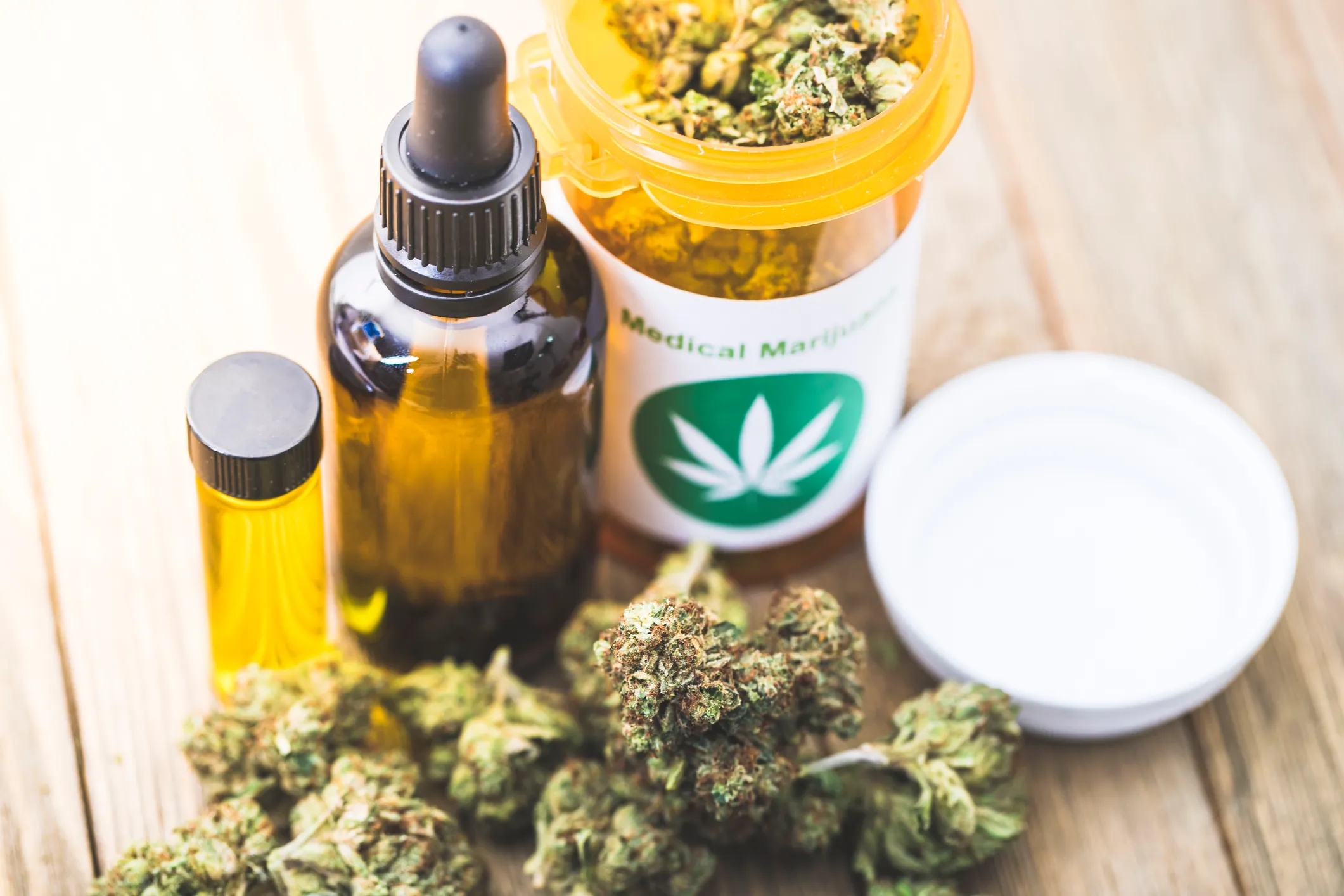
The AHPRA has released new guidance for doctors prescribing medicinal cannabis. (Source: iStock Images)
AHPRA chief Justin Untersteiner emphasized the inherent conflict of interest for practitioners working within organizations that prescribe and dispense only a single type of medication.
“Certain business models in this field rely on prescribing a single product or class of drugs and utilize online questionnaires that guide patients to provide ‘the right answers’ to justify the prescription of medicinal cannabis,” Untersteiner said.
“This situation raises serious concerns that some practitioners might be prioritizing profits over the welfare of patients.
“We will investigate practitioners with high prescription rates for any scheduled medicine, including medicinal cannabis, even if no formal complaint has been made.”
Other alarming instances of poor practice, as identified by the AHPRA, include failures to thoroughly evaluate a patient’s mental health or history of substance abuse; neglecting to verify patient identities, such as prescribing to individuals under 18; self-prescribing or prescribing for family members; and issuing excessive quantities of medicinal cannabis in each prescription.
READ MORE
New Report Recommends Scrapping Sniffer Dogs At Festivals & Revisiting Drug Driving Laws
As reported by the ABC, the AHPRA has already taken measures against 57 medical practitioners, pharmacists, and nurses for their practices related to medicinal cannabis prescriptions. Currently, about 60 others are under investigation.
“And for those who choose not to comply with our standards, we will be visiting them soon,” Untersteiner told the publication.
The AHPRA has already taken action against 57 medical practitioners. (Source: iStock Images)
So, What’s Changing with Medicinal Cannabis Prescription?
In Australia, general practitioners and qualified nurse practitioners are permitted to prescribe medicinal cannabis, provided there is a therapeutic necessity for the prescription, and medicinal cannabis is not prescribed as a first-line treatment.
Patients’ medical histories will need to be assessed, and an exit strategy must be established from the outset.
The guidelines require that prescribers maintain comprehensive medical records, with the AHPRA highlighting evidence of “insufficient documentation and the use of pre-filled medical record templates.”
Most medicinal cannabis products prescribed in Australia are done so off-label as “unapproved” medications, meaning they haven’t been evaluated by the TGA for safety, quality, performance, or effectiveness. The TGA has approved only two cannabis products for specific conditions.
AHPRA, along with the Medical and Nursing and Midwifery Boards, stated they are collaborating with other regulators, such as the TGA, to mitigate poor prescription practices that result in significant patient harm.
Patients and doctors are encouraged to report unsafe practices by calling the AHPRA hotline at 1300 361 041.

Advertisement
Advertisement
Advertisement


